
ARTICLES
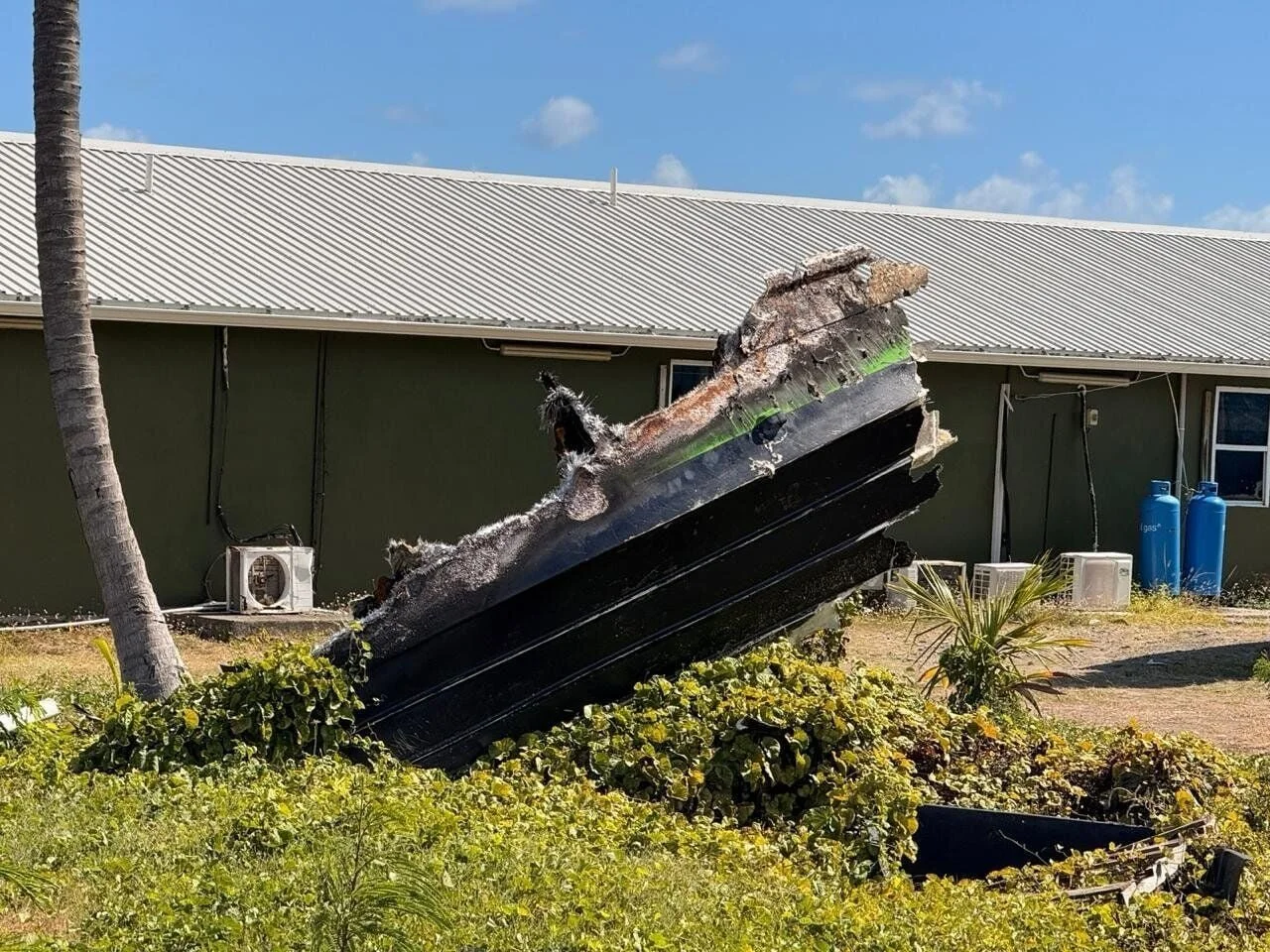
Inside the Caribbean villages where U.S. airstrikes have left local fishermen fearing for their lives
I travelled to Saint Lucia and Trinidad and Tobago because President Trump says that the men it kills are members of “designated terrorist organizations.”
What I found in the homes and communities of four men who were murdered told a story very different from the president’s.
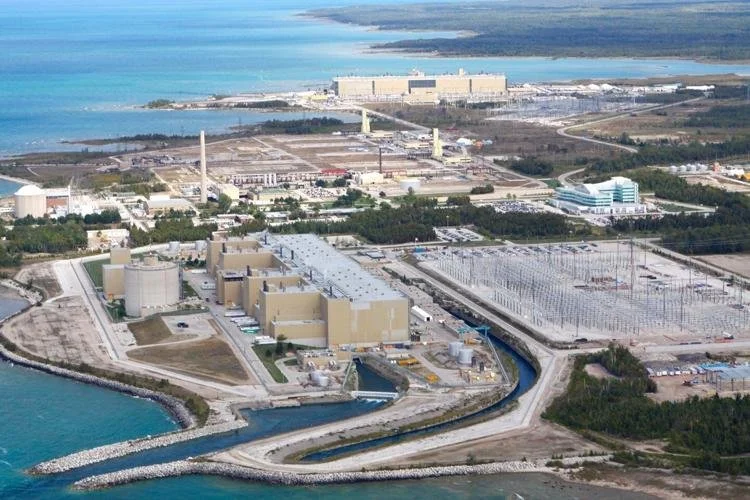
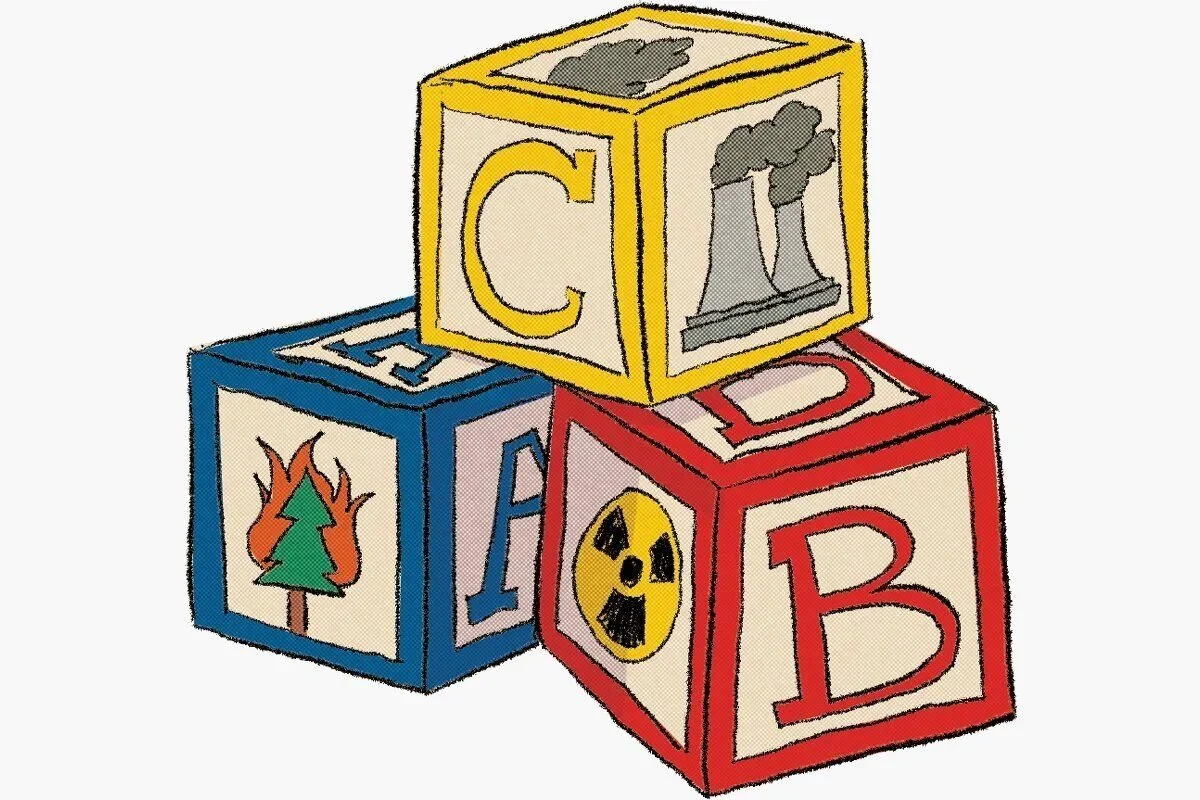
Ontario needs massive amounts of new electricity. Do we fill the void with nuclear plants or renewable energy?
The Ford government is betting on nuclear plants to provide steady power. But wind and solar have become some of the world’s cheapest sources of new electricity. So, is Ontario headed in the right direction? Where should Ontario’s new power come from?
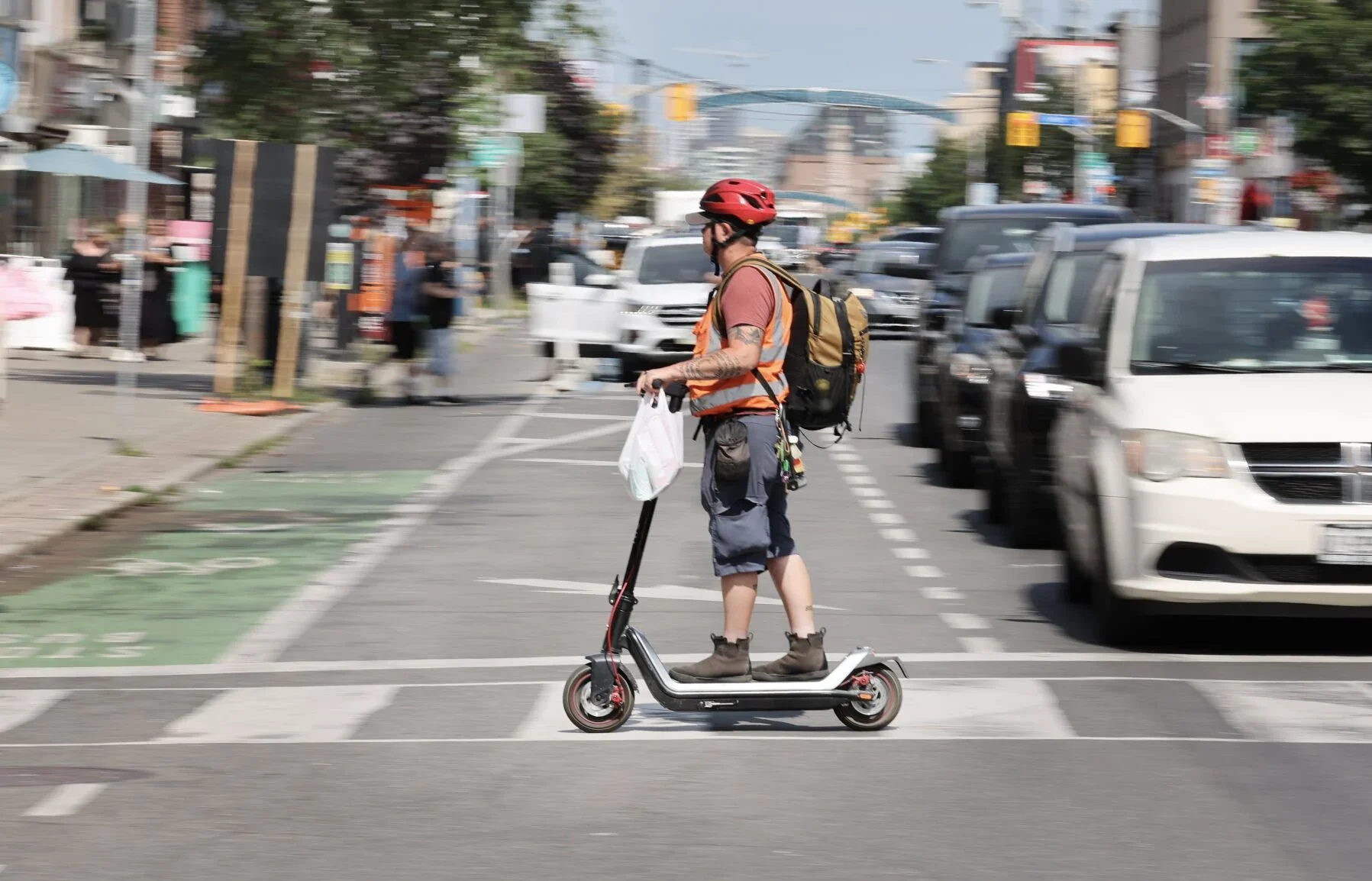
Should Toronto legalize e-scooters?
E-scooters have become a common sight in cities worldwide. Yet Toronto remains one of the few major North American cities where riding one is illegal. It’s a ban riders routinely ignore.
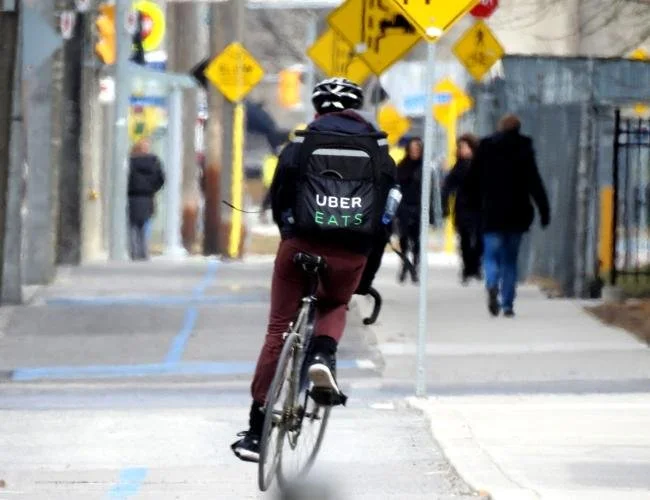
Is convenience culture making young adults financially reckless?
DoorDash instead of walking 10 minutes. Uber instead of transit. Grocery delivery instead of shopping.
To some Canadians, those choices are signs that young people are spending too freely on convenience. To others, they’re practical choices in an increasingly busy and demanding world.

Is AI the future of literature or its greatest threat?
Experts agree that AI is already reshaping publishing and that writers deserve transparency and protection. Where they part ways is on whether AI can become a legitimate artistic tool or will ultimately erode the human qualities that give literature its value.

Are public grocery stores the answer to food insecurity?
Nothing drives home the reality of economic pressure more surely than rising grocery bills. And that is putting government-owned grocery stores on the political agenda.
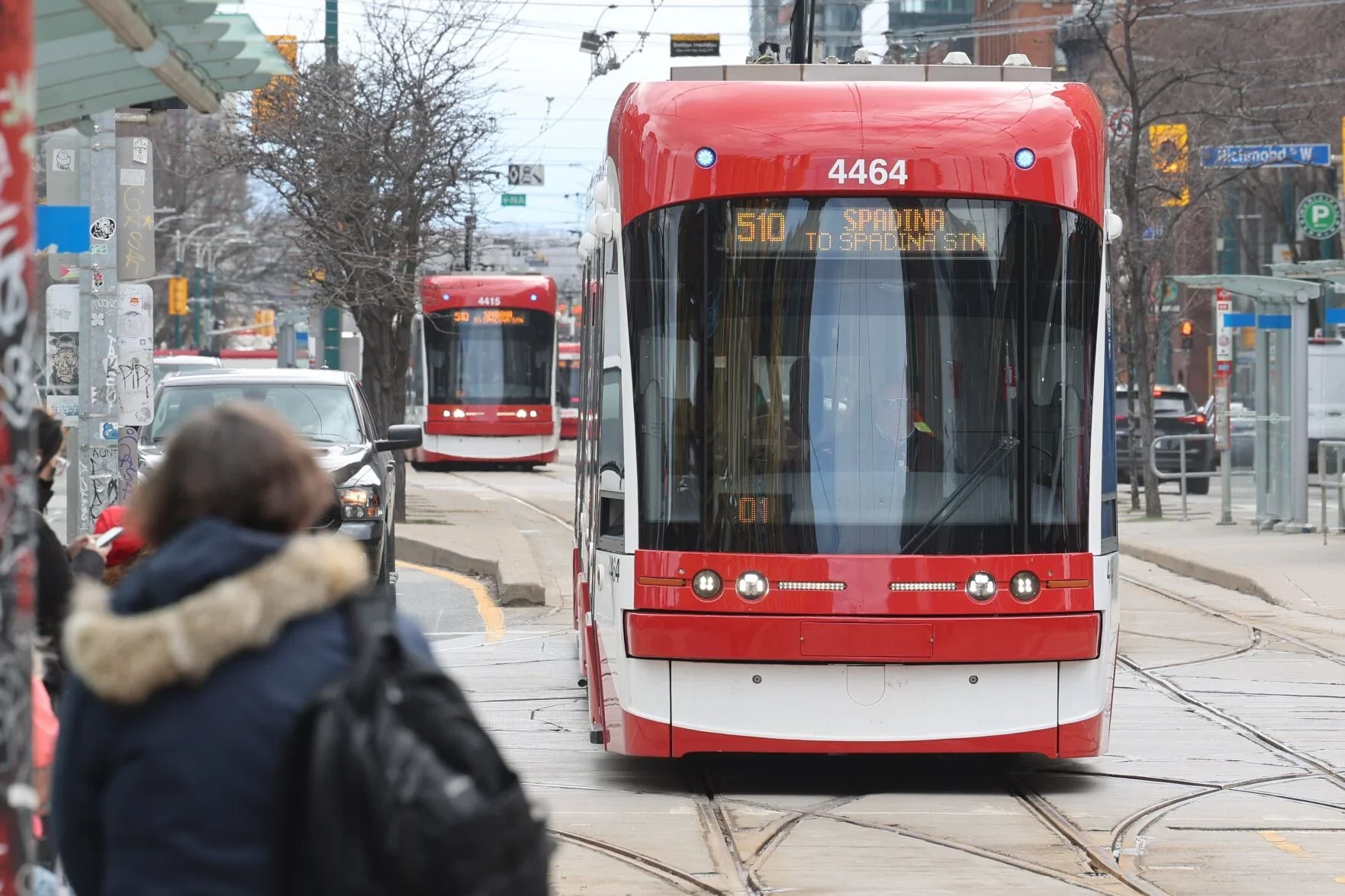
Should transit be a free public service?
Five years after the pandemic, Canadians are still not riding transit the way they used to. For households already stretched by food and rent, the fare box is one more pressure.
Are Canadians choosing not to have children or resigning themselves to it?
Canada’s birth rate is now among the lowest in the world, reflecting not only economic strain but a deeper shift in how young people think about family, work and the future. This conversation asks whether the decision to have fewer children is a necessary adaptation to an uncertain world or a choice with long-term consequences.

When we restrict social media are we solving a problem or creating bigger ones?
Few policy questions are as emotionally charged right now as how to protect children online. As Canada weighs age restrictions on social media, the debate has sharpened: would limiting access make young people safer? Or open new dangers?

Canada’s birth rate has fallen to new lows. What’s the best way to encourage people to make babies?
Researchers and advocates have long argued that governments should respond to falling fertility, though they do not agree on the best way to do so.
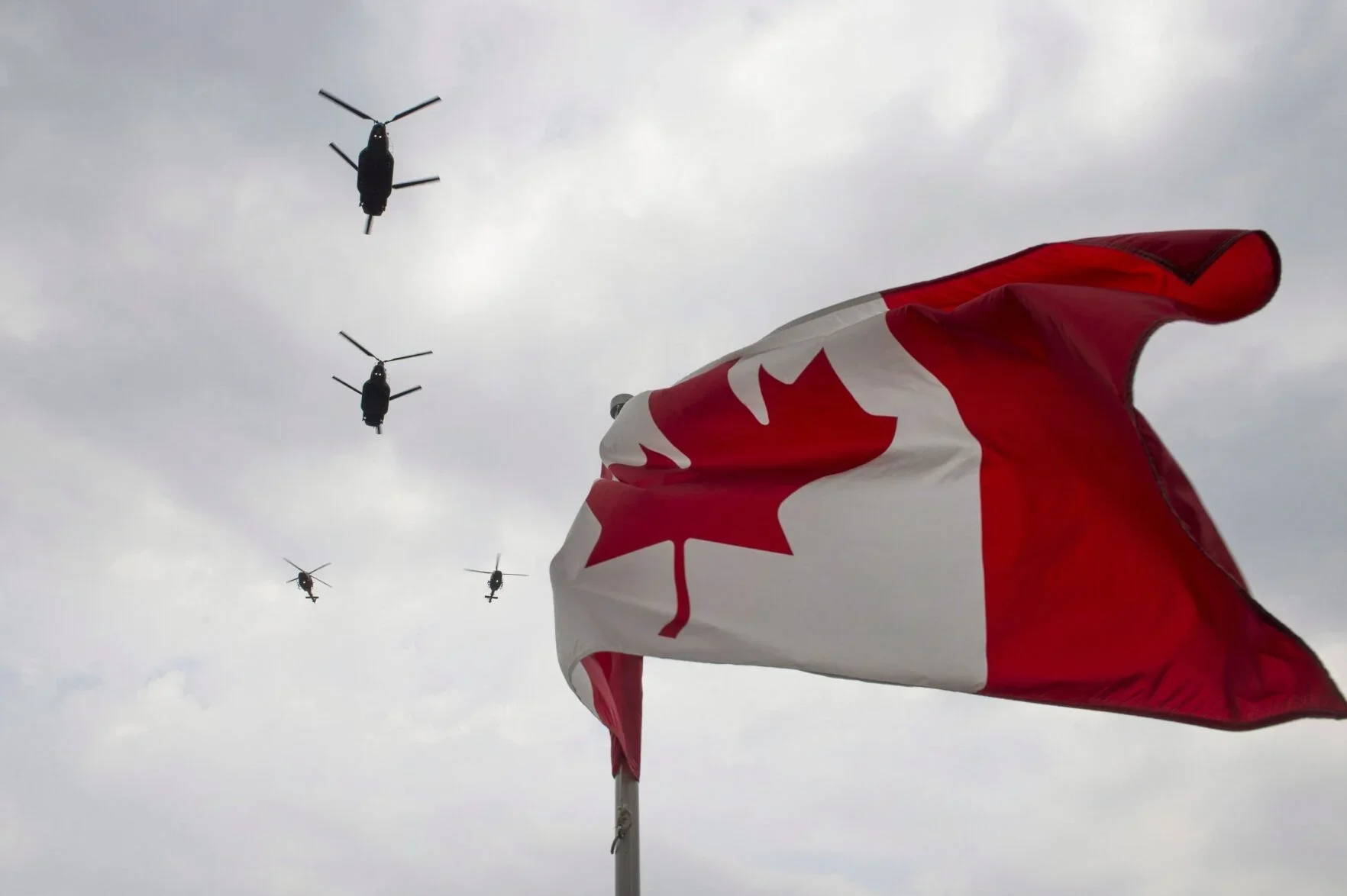
Should Mark Carney be doubling Canada’s defense spending in response to today’s security threats?
Experts question the process behind Canada’s military plans, the absence of a national security strategy and the lack of meaningful public engagement. At stake is not just how much Canada spends on defence, but what it is trying to protect and who gets to decide.
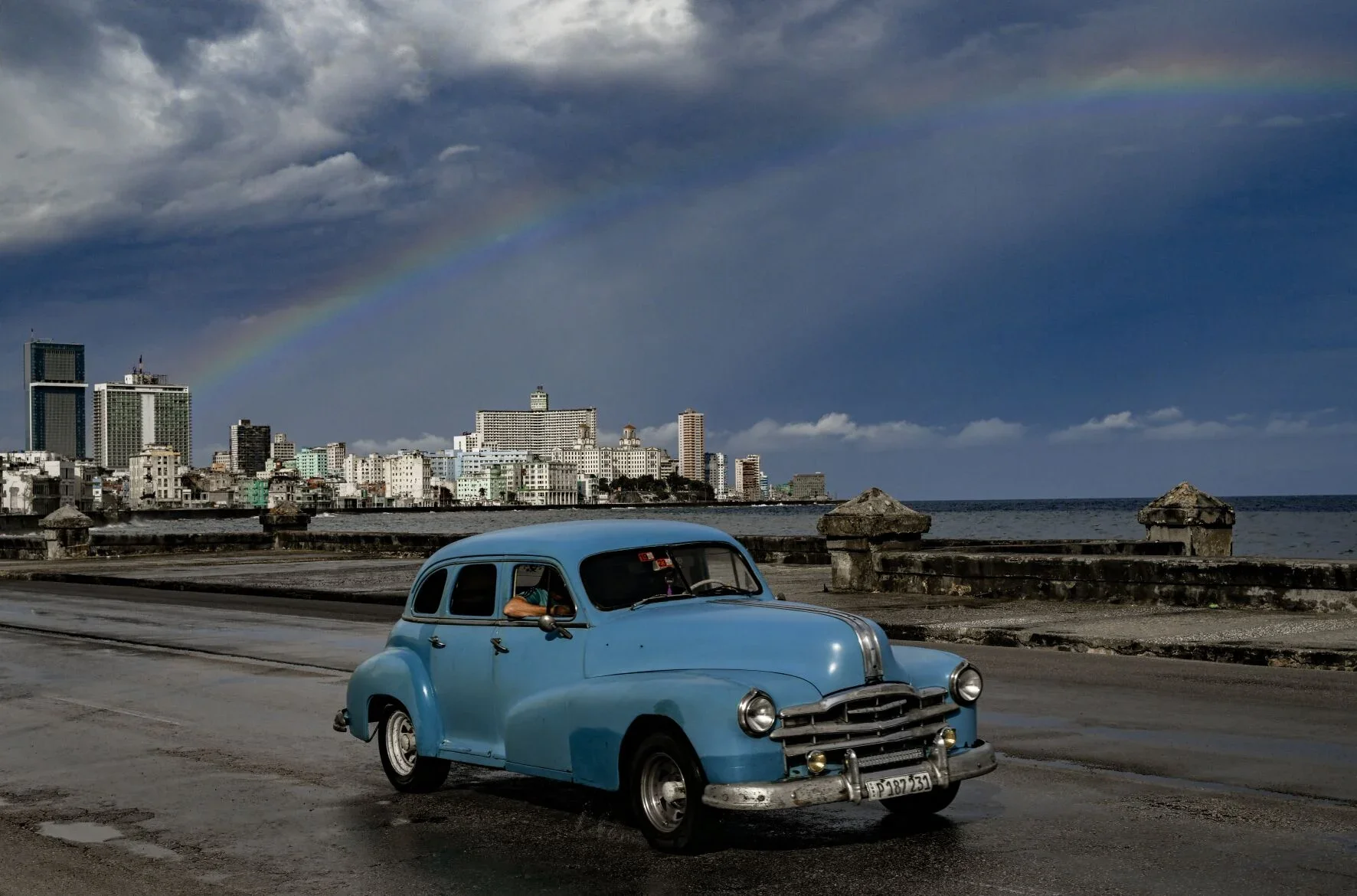
As Cuba faces mounting crises, should Canada support U.S. efforts to force a regime change?
Most Canadians who follow Cuba closely agree the communist government has a dismal human-rights record and that ordinary Cubans are suffering. They disagree sharply on whether pressure and sanctions will liberate those Cubans — or bury them.
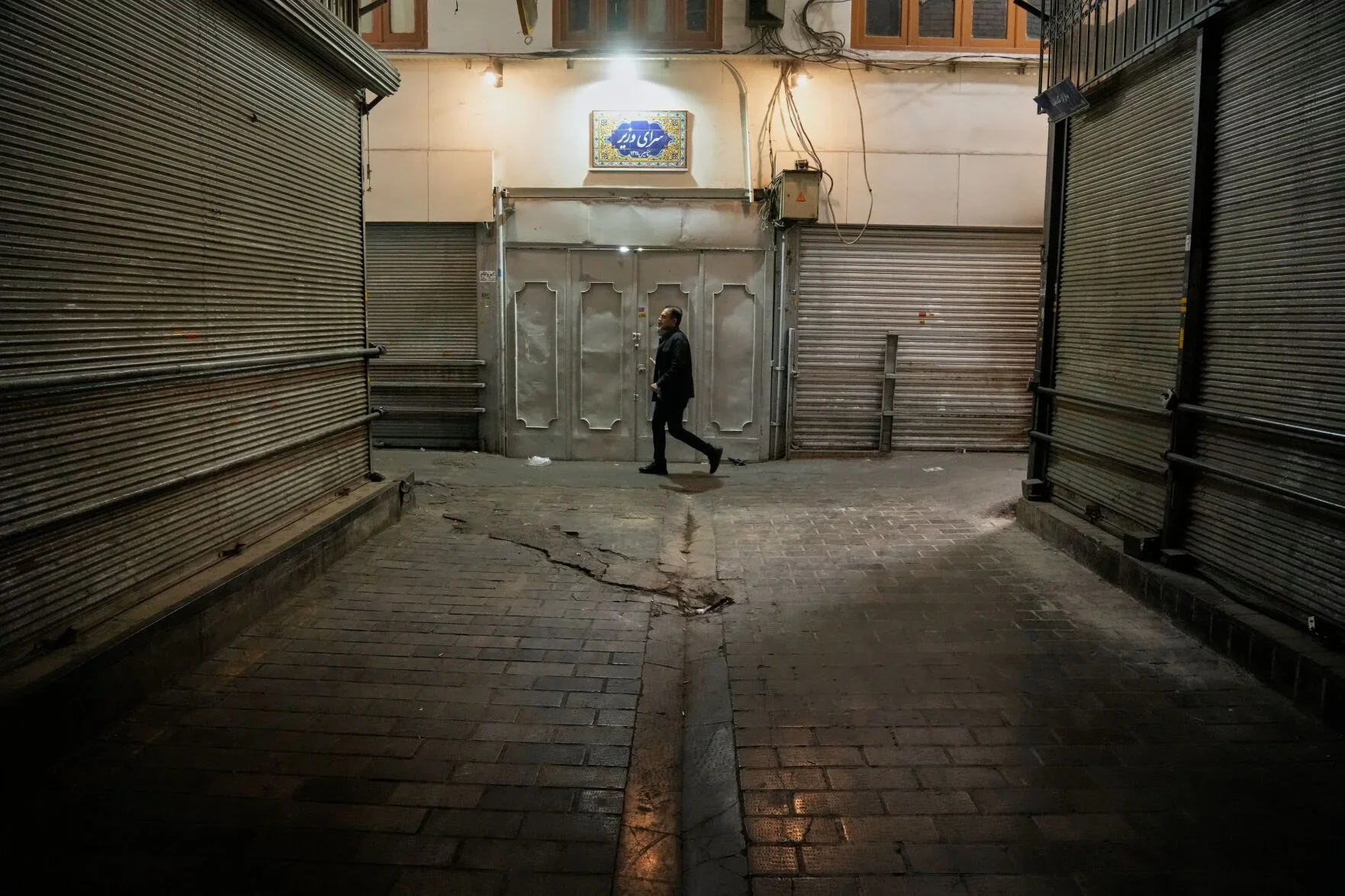
A tyrant is dead and a region is in flames. One Iranian Canadian says celebration is in order — another says not so fast
Canadian-Iranians sharply disagree on whether the U.S./Israeli strikes were justified, whether they will help ordinary Iranians and what Canada’s response should be.

Is opening Canada’s market to Chinese EVs a strategic necessity or a costly mistake?
During a January visit to Beijing, Prime Minister Mark Carney announced a sharp cut to tariffs on Chinese electric vehicles sparking a debate over trade, security and Canada’s auto future.
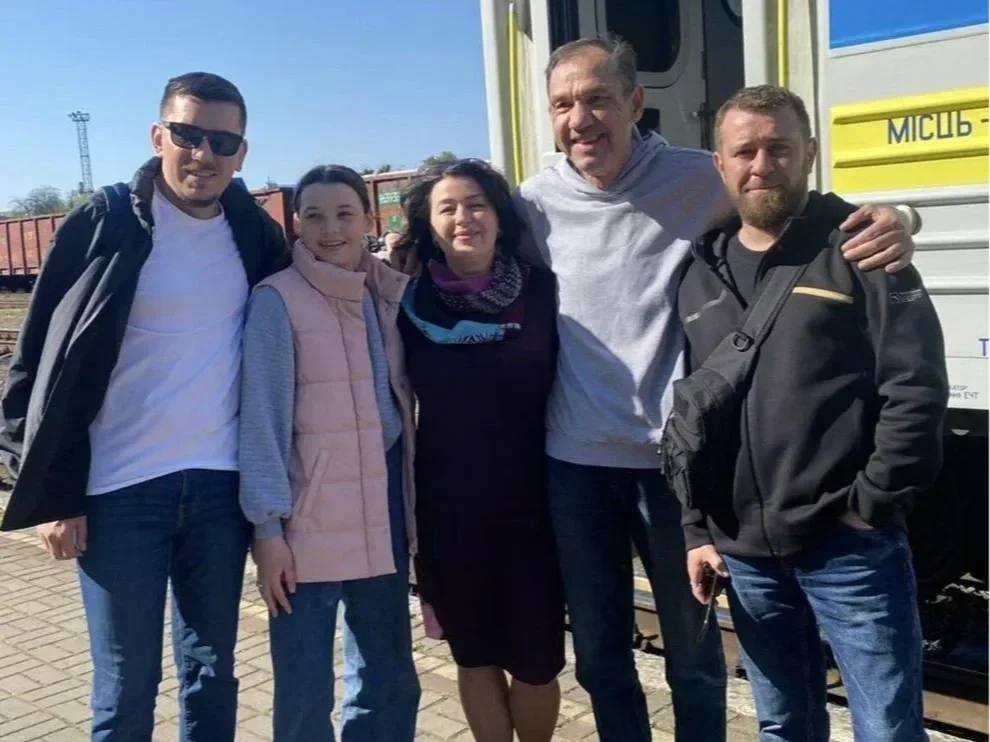
Russia’s invasion, four years on: How the war in Ukraine is pulling families apart
Svitlana’s story reveals the long, grinding toll of Russia’s attack on Ukraine, felt not only in shattered homes and lives lost, but in families torn apart.

Canada’s working-age population is shrinking. Should we keep immigration near zero or rethink the plan?
For years, immigration was treated as an economic lifeline. Now it has become a political fault line. With polls showing that a majority of Canadians believe immigration levels are too high, the federal government moved in fall 2024 to sharply reduce immigration targets.
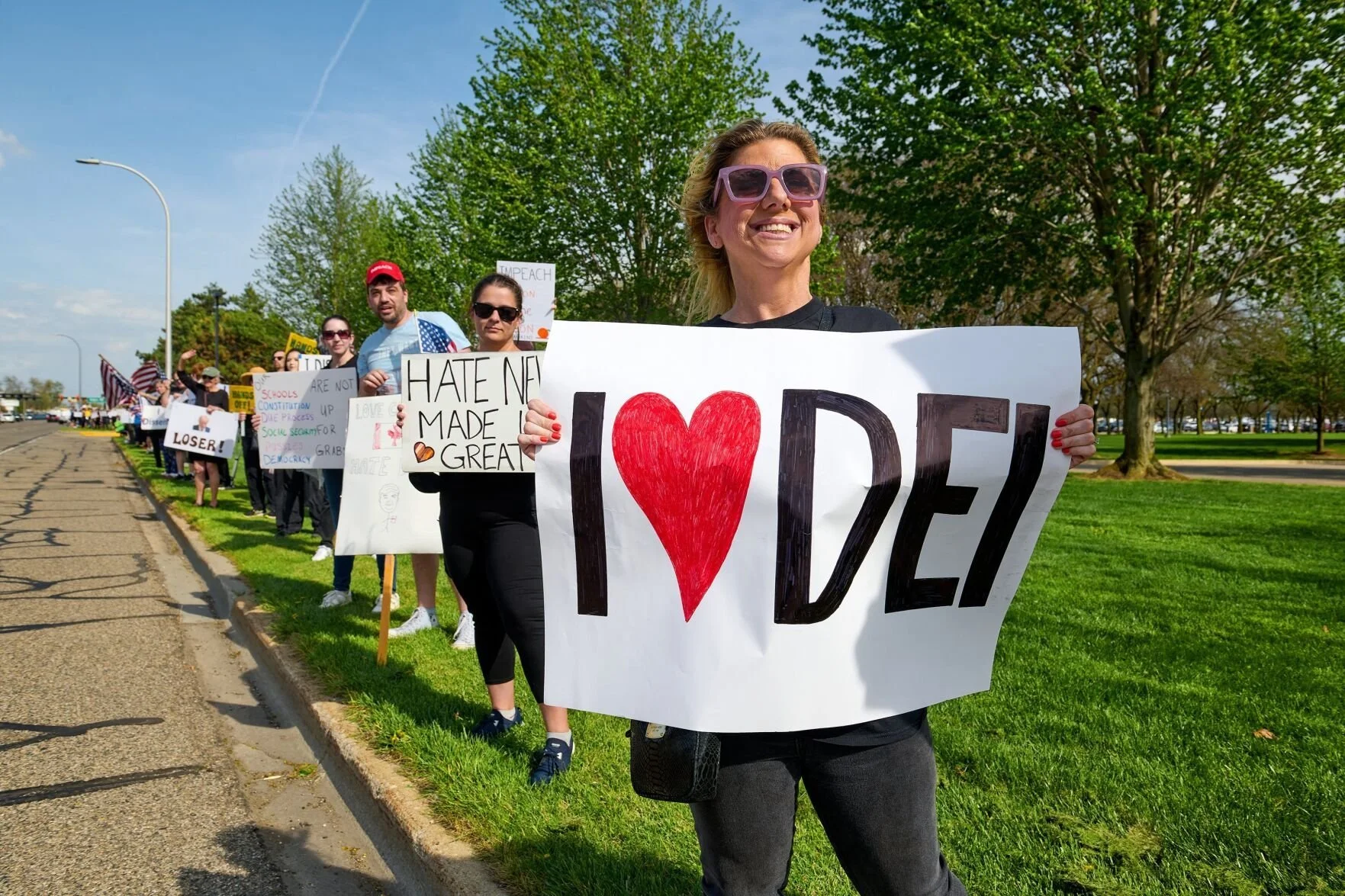
Is DEI helping Canada or holding it back?
Once widely embraced, diversity, equity and inclusion (DEI) initiatives, intended to ensure fair access to opportunity for groups long excluded from power, are now under sustained political attack. Experts agree discrimination exists and merit should matter. Beyond that, they are sharply divided
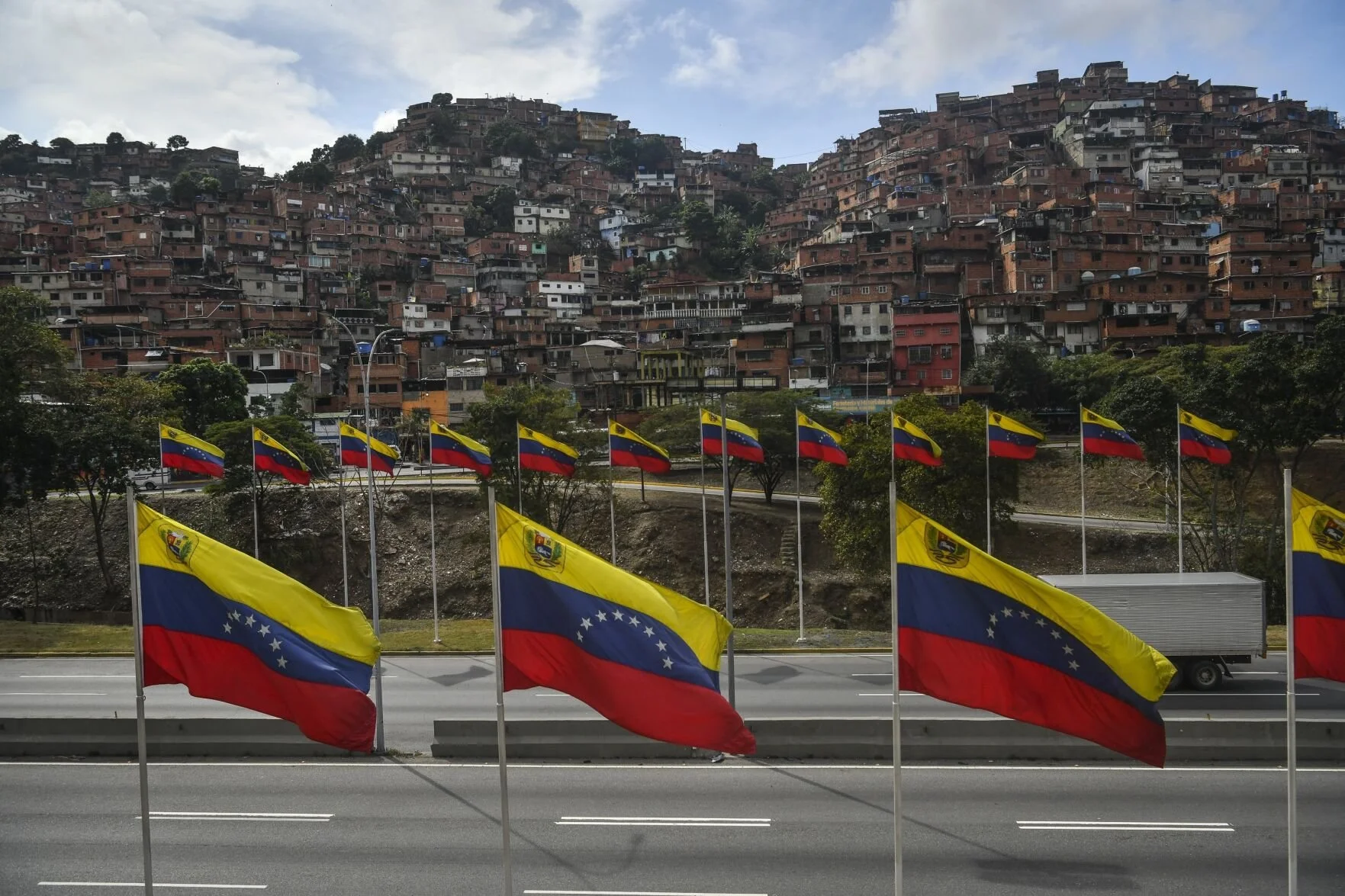
How should Canadians react to Maduro’s capture?
Should Canada speak out against an apparent breach of international law, or would doing so risk further damage to our strained relationship with Washington? Former diplomats Ben Rowswell and Louise Blais agree that the invasion violated international law. But they sharply disagree on what Canada should do next.

Should Canadians feel hopeful about 2026? Two comedians weigh In
The past year was tough for many Canadians. The cost-of-living kept pinching, U.S. President Donald Trump’s taunt of a “51st state” frazzled nerves and separatist momentum in Alberta and Quebec frayed the national mood. So, to ring in 2026 with a bit of levity, we asked two Canadian comedians whether there’s reason to feel hopeful.
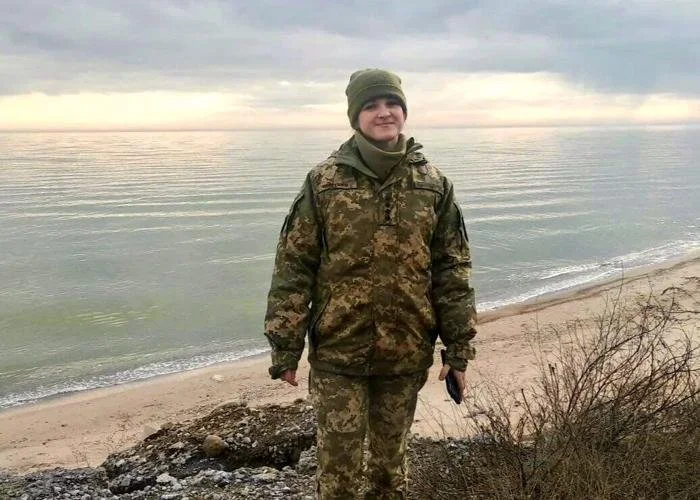
She was pregnant when taken prisoner by Russia. This Ukrainian medic told captors her secret — and it may have saved her life
Mariana’s story is a reminder of what Putin’s war has not been able to destroy — the courage of ordinary people, the instinct to shield one another and the defiant persistence of hope.